Government Spending and Taxation
Description
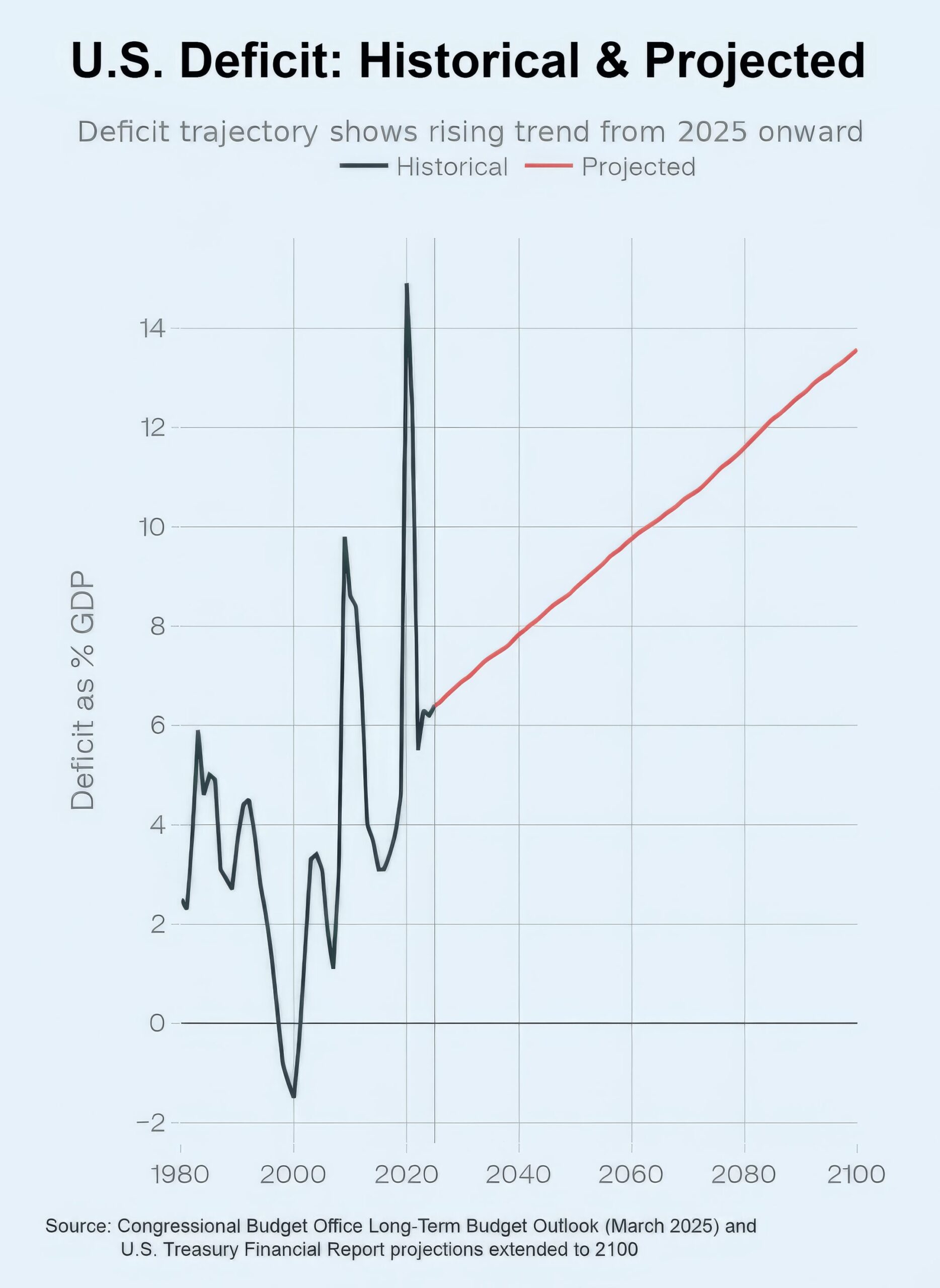
The expiration of Tax Cuts and Jobs Act (TCJA) provisions creates major debate over tax policy. Republicans favor extending lower tax rates across all brackets, while Democrats support tax increases on high earners and limiting extensions to those earning under $400,000. The federal deficit approaching $2 trillion receives little attention amid partisan battles.
Centercratic Position:
Extend middle-class tax cuts while restoring higher rates on top earners. Implement comprehensive tax reform eliminating special interest loopholes. Establish tripartisan fiscal commission with enforcement mechanisms to address debt. Balance targeted investments in infrastructure and education with spending discipline and program effectiveness reviews.
Republican Position:
Extend all TCJA tax cuts across brackets, resist tax increases on high earners, prioritize lower rates and reduced regulations.
Democratic Position:
Extend tax cuts only for those earning under $400,000, raise taxes on high earners and corporations, increase spending on social programs.
Applicable Principles
Our nine founding principles are the foundation for everything we propose. The principles highlighted below are the ones that speak most directly to this issue.
Principle 1
Safeguard Our Democratic System
Govern through compromise, not domination. Reject extreme tactics by special interests and defend the Constitution for everyone.
Principle 2
Limit Terms for Accountability
Impose term limits on public office to prevent
entrenchment and ensure representatives remain accountable to voters.
Principle 3
Protect Election Integrity
Guarantee transparent, fair, and nonpartisan elections. Uphold certified results and let voters decide outcomes through lawful processes.
Principle 4
One Law
for All
for All
The law applies equally to all.
Independent courts ensure fair process and protect basic rights.
Principle 5
Debate with Facts and Dignity
Conduct fact-based debates with respect. Acknowledge disagreements. Prohibit
personal attacks and bad-faith tactics.
Principle 6
Seek Unity Through Broad Support
Build policies that earn broad, lasting support.
Where consensus is out of reach, respect that
communities will find their own path.
Principle 7
Govern with a Balanced Approach
Reject both government overreach and government
absence. Provide essential services, measure
results, end what fails, and enforce fiscal discipline.
Principle 8
Defend
Our Freedom
Our Freedom
Unite with allies to deter
aggression and defend free
nations against military,
cyber, and economic threats.
Principle 9
Exemplify Global Leadership
Demonstrate American and democratic values through dignified, restrained, and humane leadership at home and abroad.
Everything we do flows from our nine core principles
Please visit Our Principles page to learn more.